Kopf aus, Sinne an
90 Minuten in acht audiovisuellen Welten — der Alltag bleibt draußen, Körper und Geist schalten ab.
🎟️ Nur dieses Wochenende: 30 % Rabatt auf alle Online-Tickets. Code WOCHENENDE30 wird beim Online-Kauf automatisch eingelöst (bis So 13.09., nur online, nicht an der Kasse).
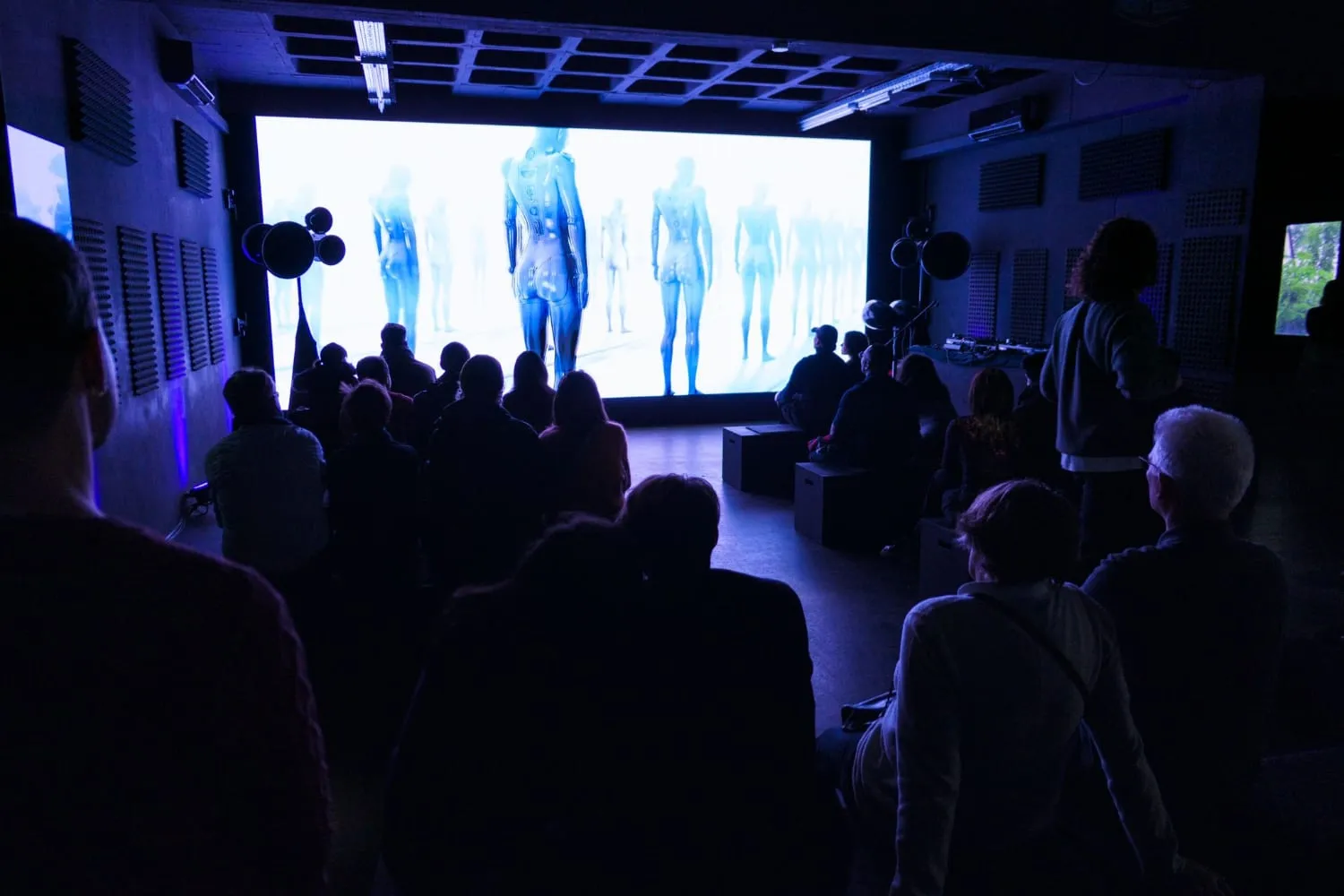
Digital & Future Art Gallery · Berlin
Ein Museum für digitale Kunst und eine Eventlocation der nächsten Generation — mitten in Berlin-Schöneberg, in einem markanten Beton-Solitär.
Jetzt zu sehen
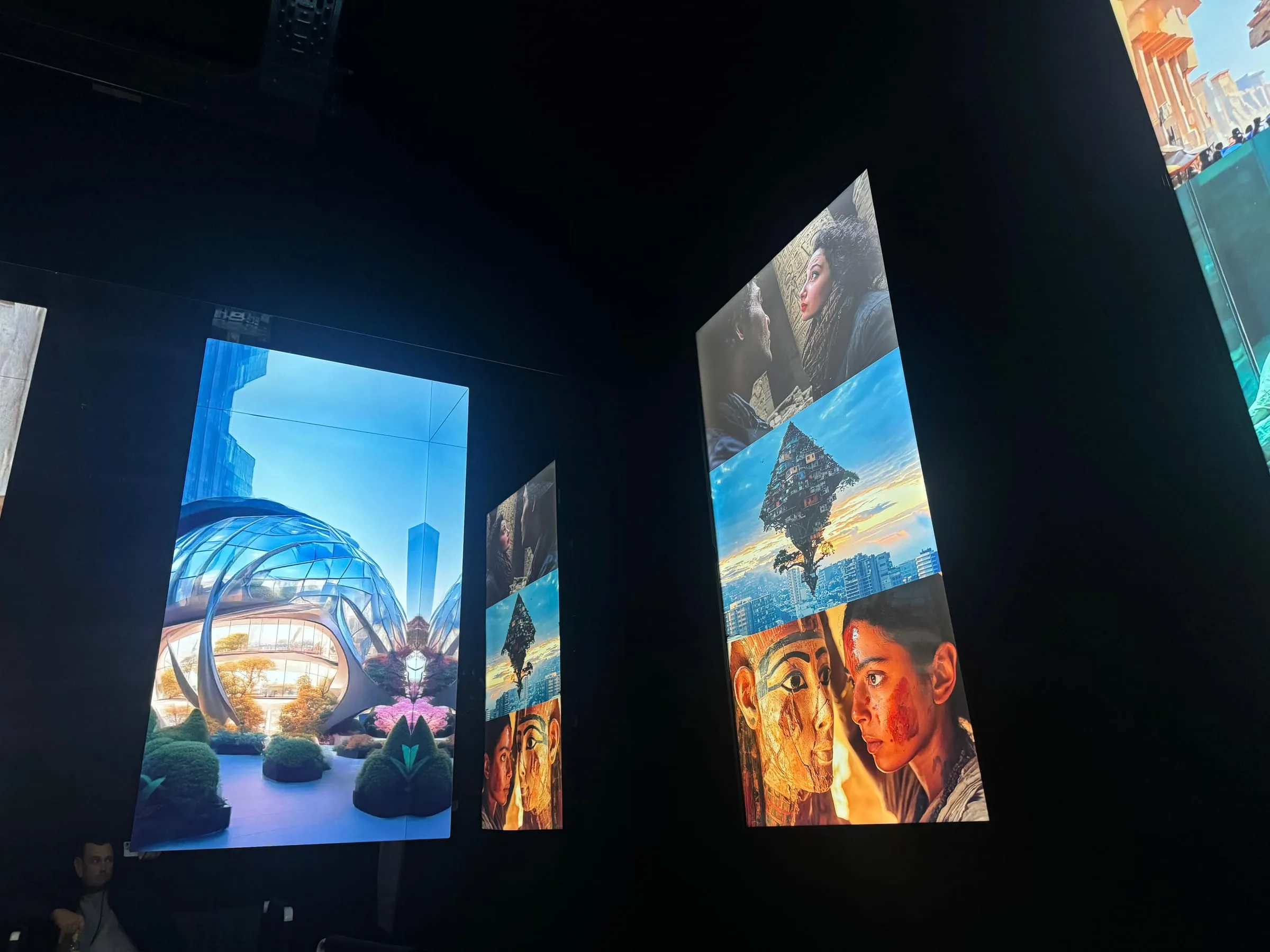
Über 500 Exponate, arrangiert in acht Räumen und hinterlegt mit Sound — Computing Art, Motion Design und Simulation Art.
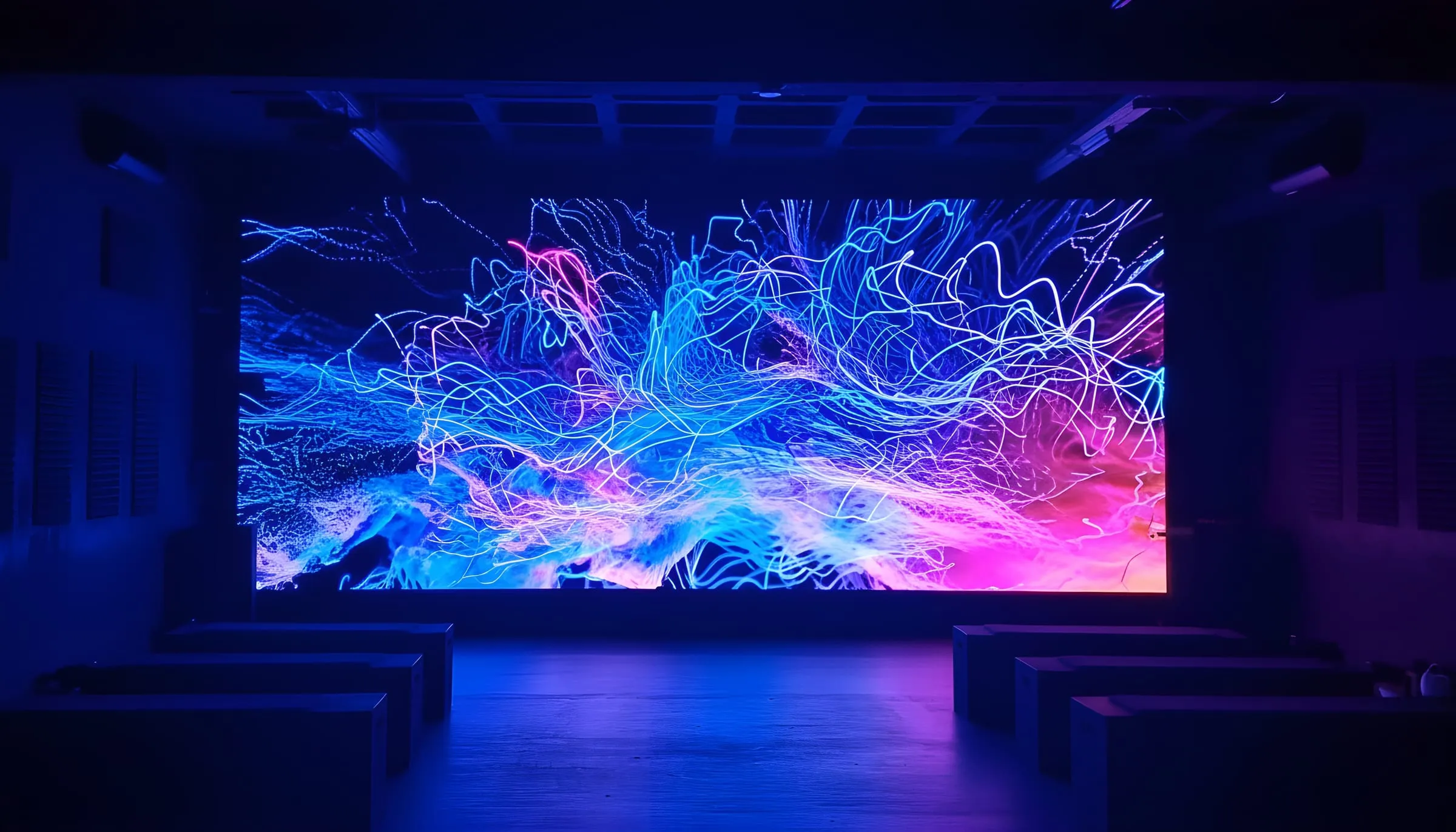
Eine Reise durch Kunst, Klang und Technologie
Eine außergewöhnliche Reise durch acht audiovisuelle Welten. In den eindrucksvollen Katakomben tauchen Besucher in die unendlichen Dimensionen der digitalen Kunst ein — von Physic-Flow Art bis Essential Reduction.
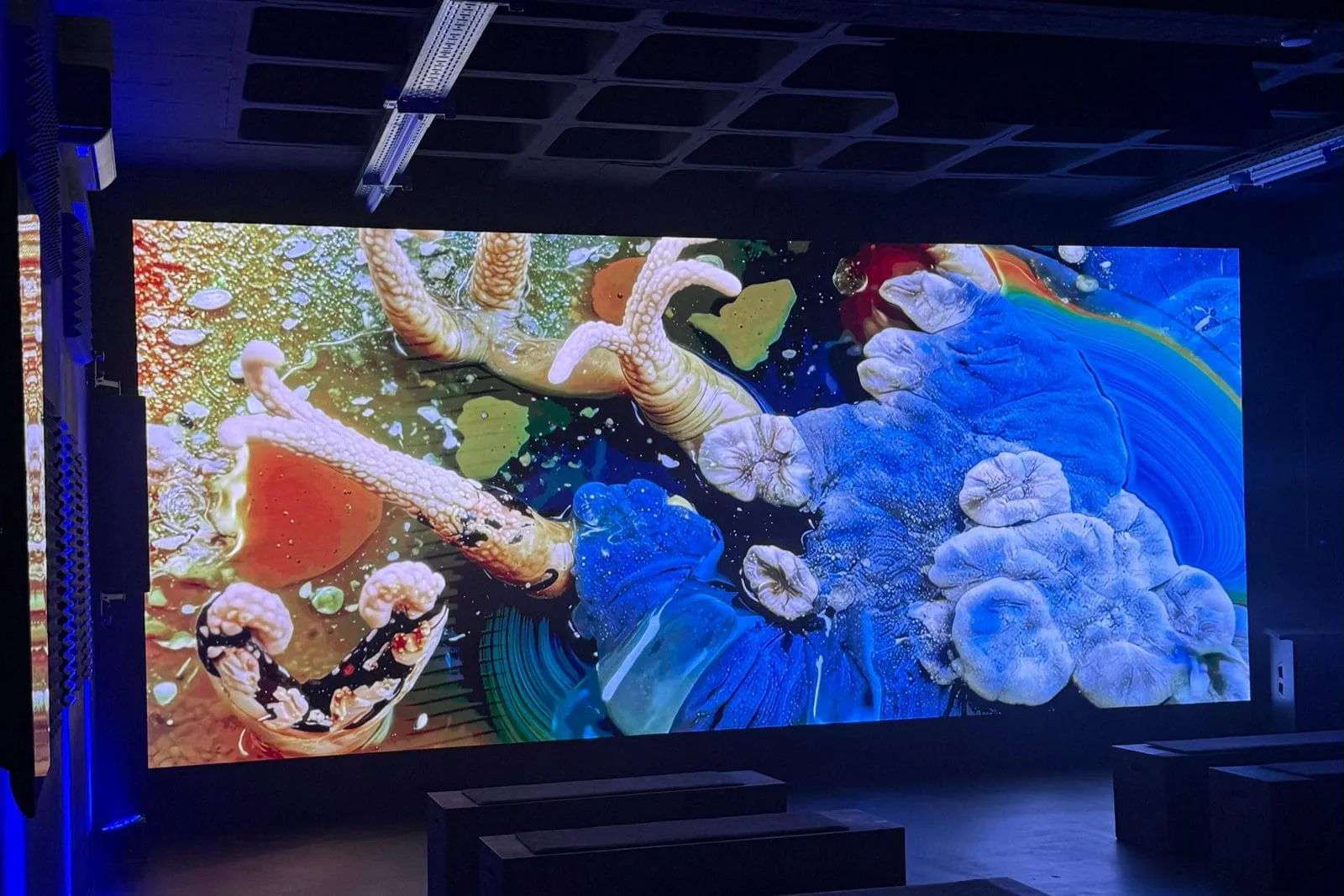
Berlin Edition
Riesige, farbexplodierende Bildwelten, inspiriert von der japanischen Malerin Ayako Rokkaku — von Digital Artists in bewegte Kunst übersetzt, raumhoch und mit Sound. Farbe, die atmet.
13.09.
Sonntag · 08:30–12:45
Neues Format · Premiere 13.09.2026
Ein Sonntagvormittag, vier Sessions: Breathwork, Movement, Pilates und Yin Yoga — inmitten der Kunst des P61, getragen von Klang und Visuals auf der LED-Wand. Sessions einzeln buchbar oder als Tagespass.
Begrenzt auf 20 Matten pro Session
Trailer
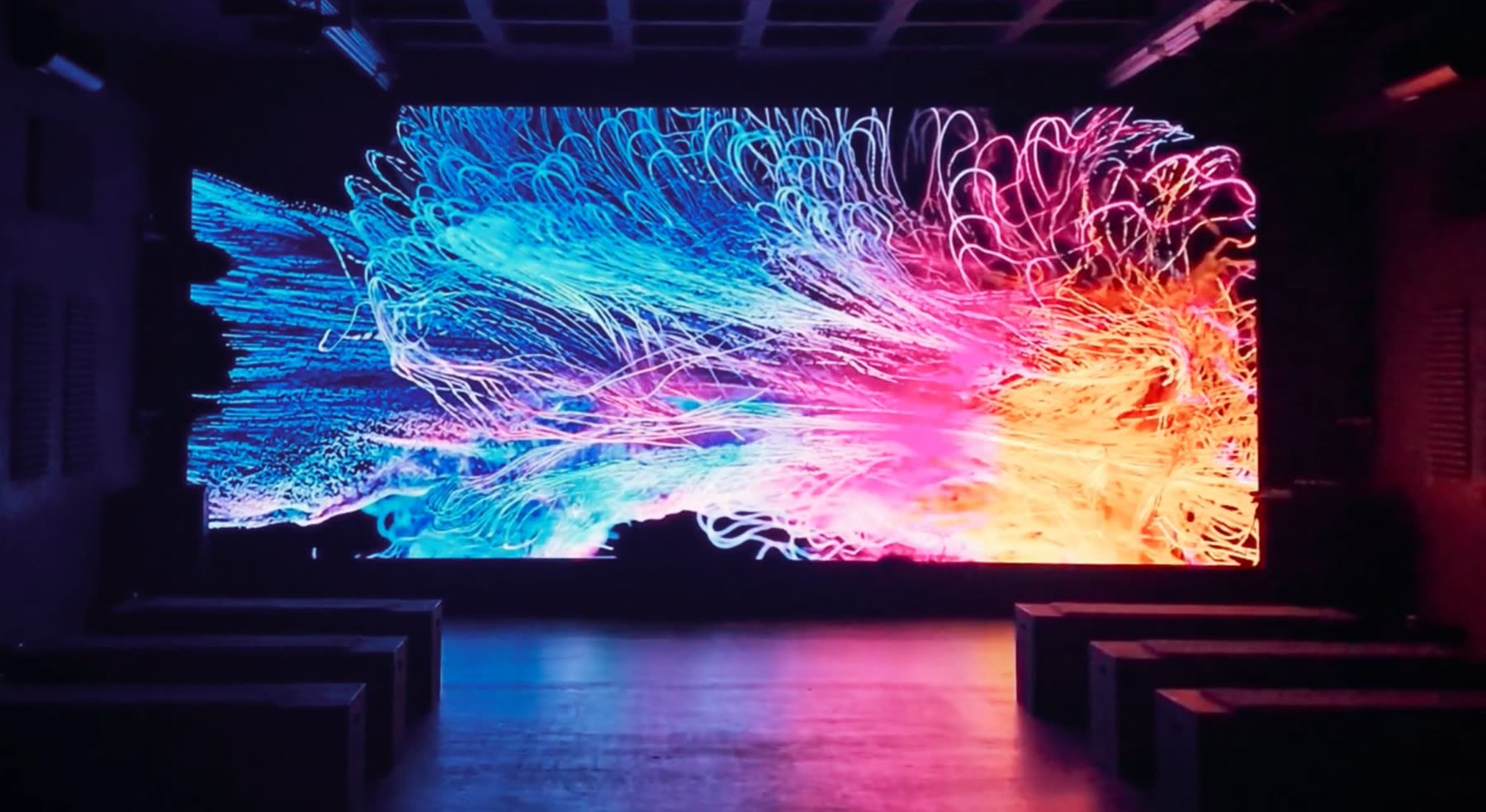
Der Trailer zu Digital Dimensions: 25 Sekunden Kunst aus acht Welten. Auf Klick, mit Ton.
Konzept
Die P61 Gallery entdeckt und fördert junge, aufstrebende Künstler und bringt sie mit etablierten Größen aus aller Welt zusammen. Ein Ort, an dem Kreativität, Innovation und gemeinsame Inspiration die Zukunft der Kunst gestalten.
„Wer hierher kommt, sucht nicht das Polierte, sondern das Echte."
Digitale Kunst
Digitale Kunst entsteht mit dem Computer als Medium: von Partikel-Simulationen und generativer Kunst über 3D und Motion Design bis zu KI-gestützten Werken. An die Stelle von Leinwand und Rahmen treten Licht, Bewegung, Klang und Echtzeit — Kunst, die nie exakt gleich aussieht und sich ständig neu erfindet.
Genau hier setzt die P61 Gallery an: als Museum für digitale Kunst in Berlin, das diese neue Kunstform sichtbar, greifbar und für jeden erlebbar macht.
Dein Erlebnis
Kein weiterer Abend auf dem Sofa — sondern 90 Minuten, die man so schnell nicht vergisst.
90 Minuten in acht audiovisuellen Welten — der Alltag bleibt draußen, Körper und Geist schalten ab.
Raumhohe LED-Wände und Artworks, die man erlebt haben muss. Gänsehaut inklusive — und die besten Fotos deines Monats.
Die außergewöhnliche Date-Idee und der Ausflug, über den danach alle reden. Auf Wunsch mit Live-DJ.
Ticket aufs Handy, mitten in Berlin-Schöneberg, keine Vorkenntnisse nötig. Ein Ticket gilt den ganzen Tag.
Eventlocation
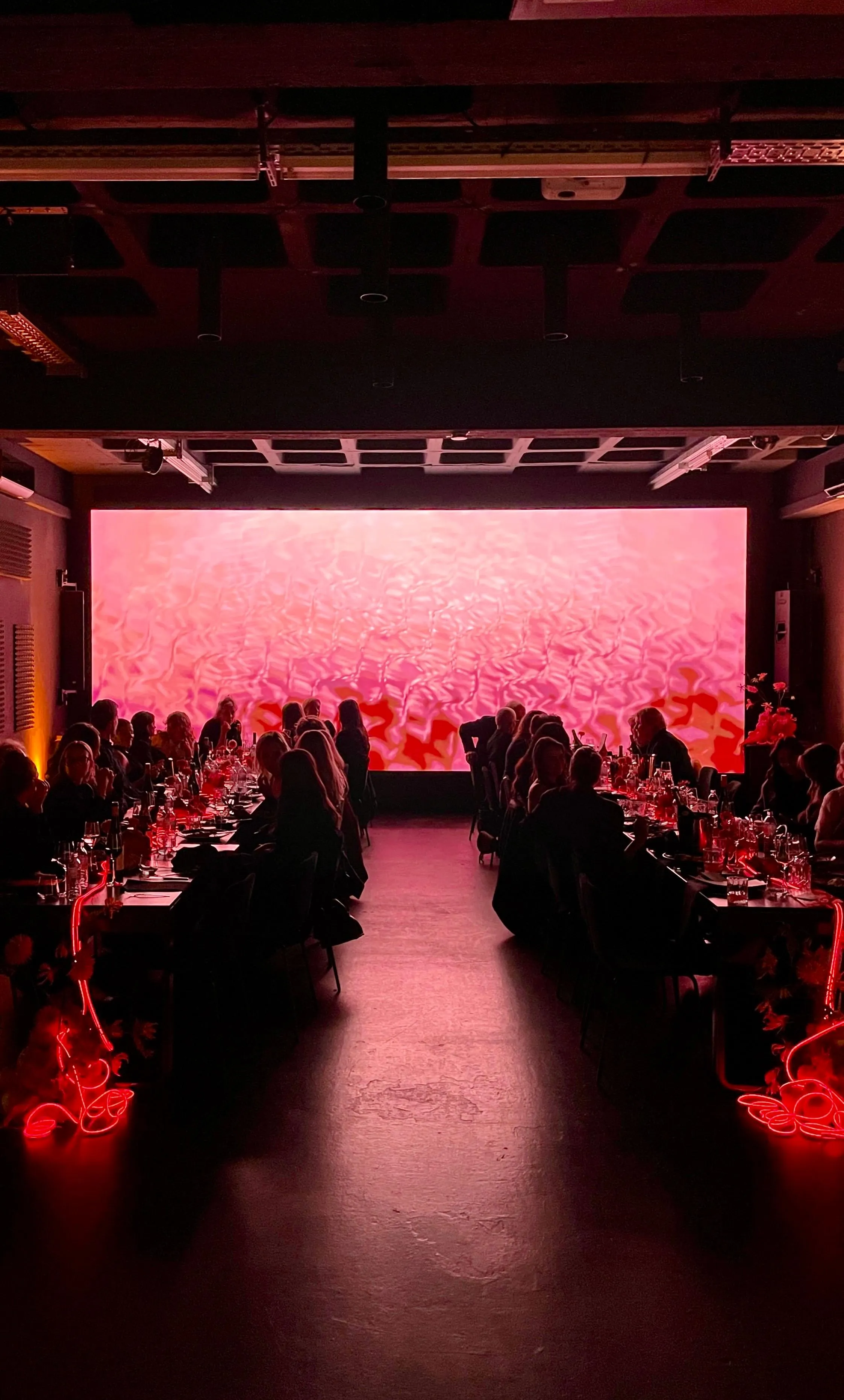
Apple, Google, Unilever und viele weitere Marken nutzen P61 für Produktpräsentationen, Dinner-Events, Launches, Workshops und Feiern. Flexible Flächen, modernste Technik, Komplett-Betreuung — für bis zu 200 Gäste.
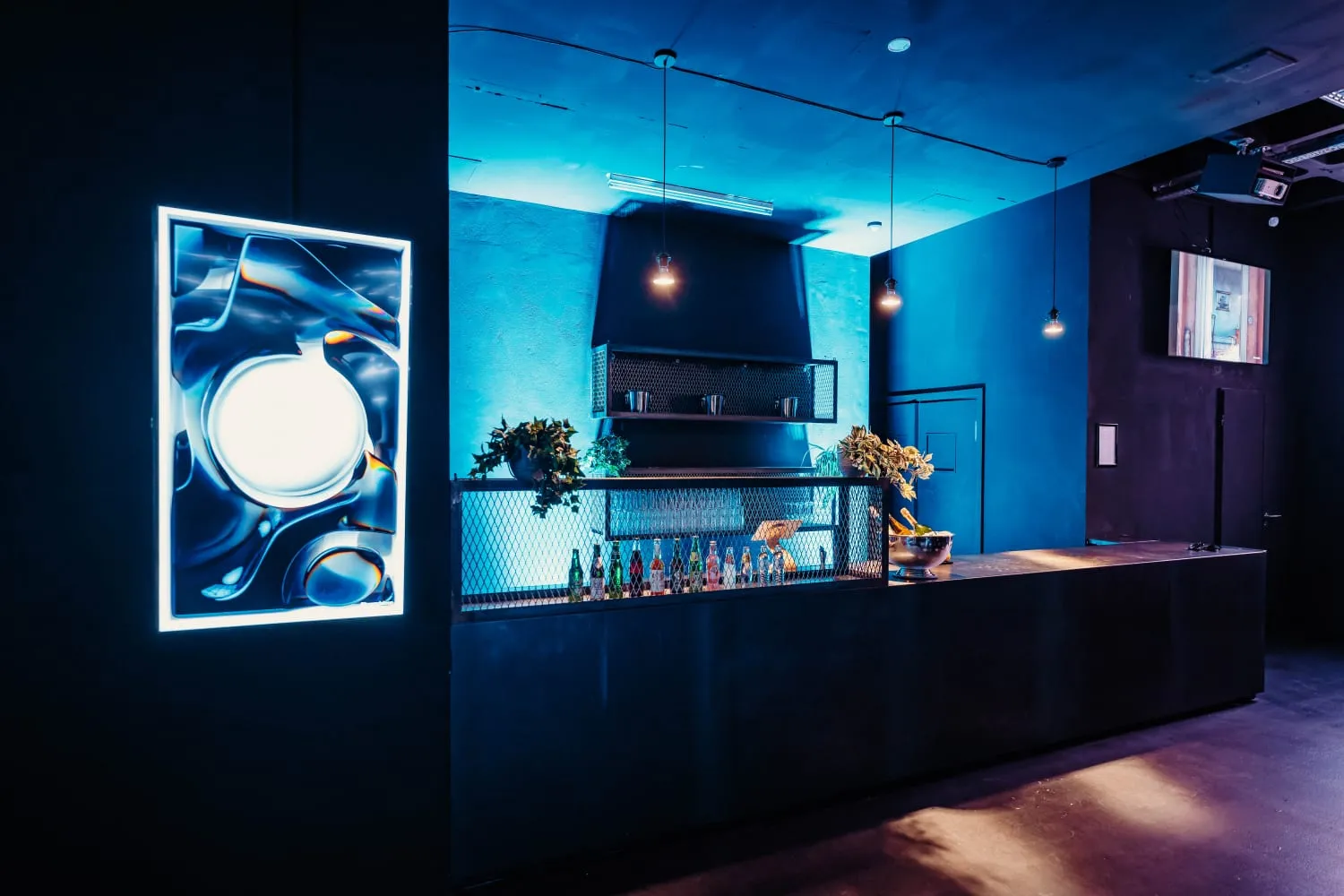
Galas, Firmenfeiern, Launches und private Feiern in einzigartiger Atmosphäre.
Mehr erfahren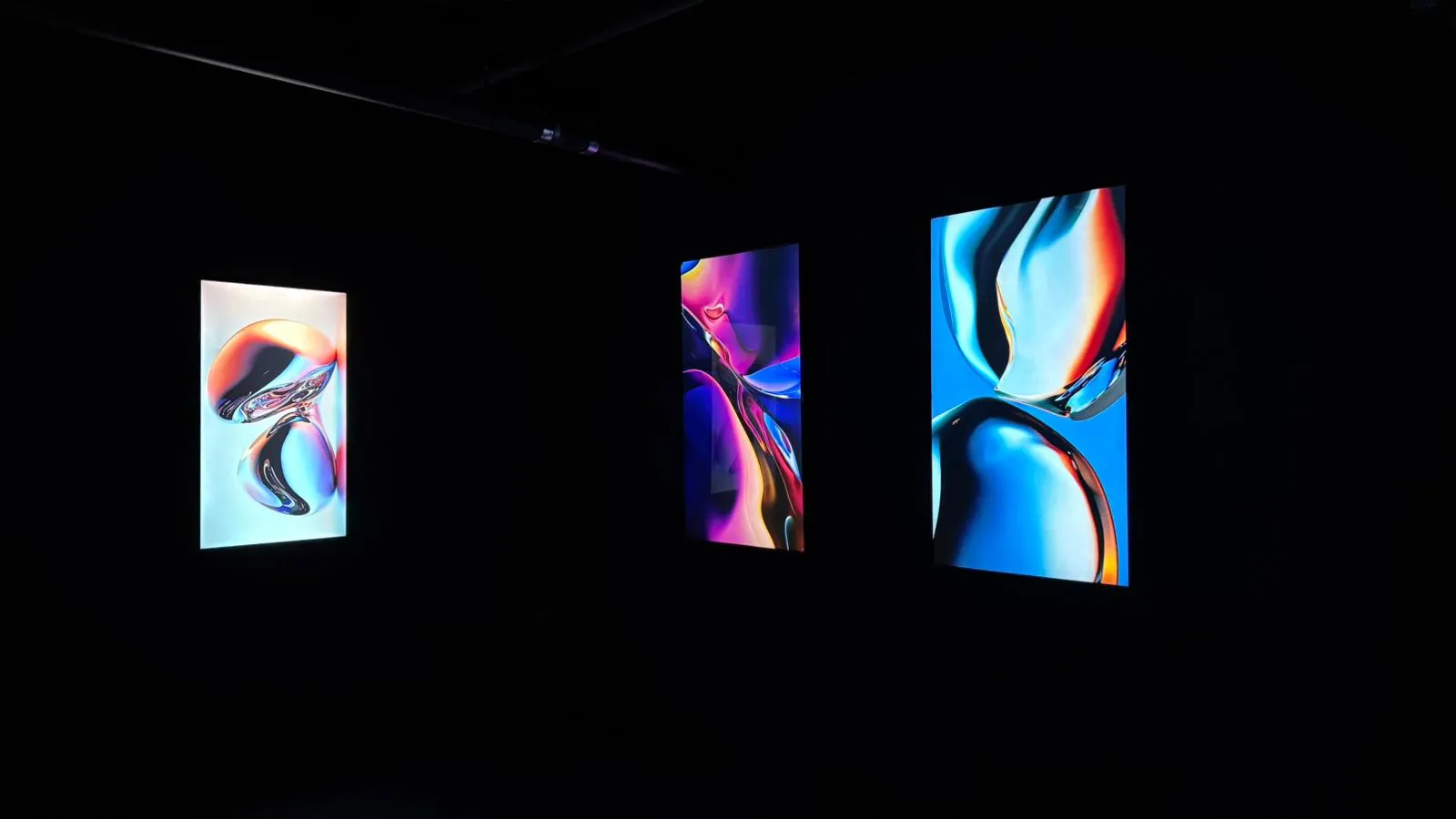
Design-Präsentationsfläche der nächsten Generation für Marken und Formate.
Mehr erfahren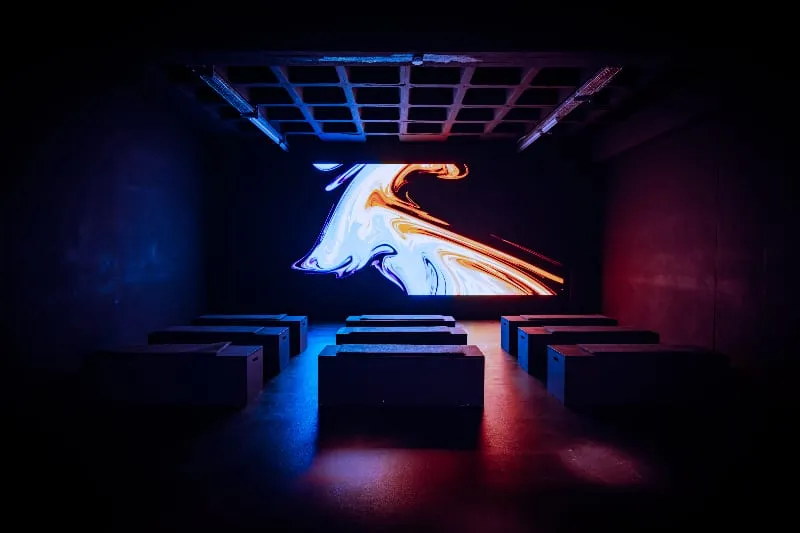
Ausstellungsfläche mit großzügiger Raumgestaltung und innovativem Lichtdesign.
Mehr erfahren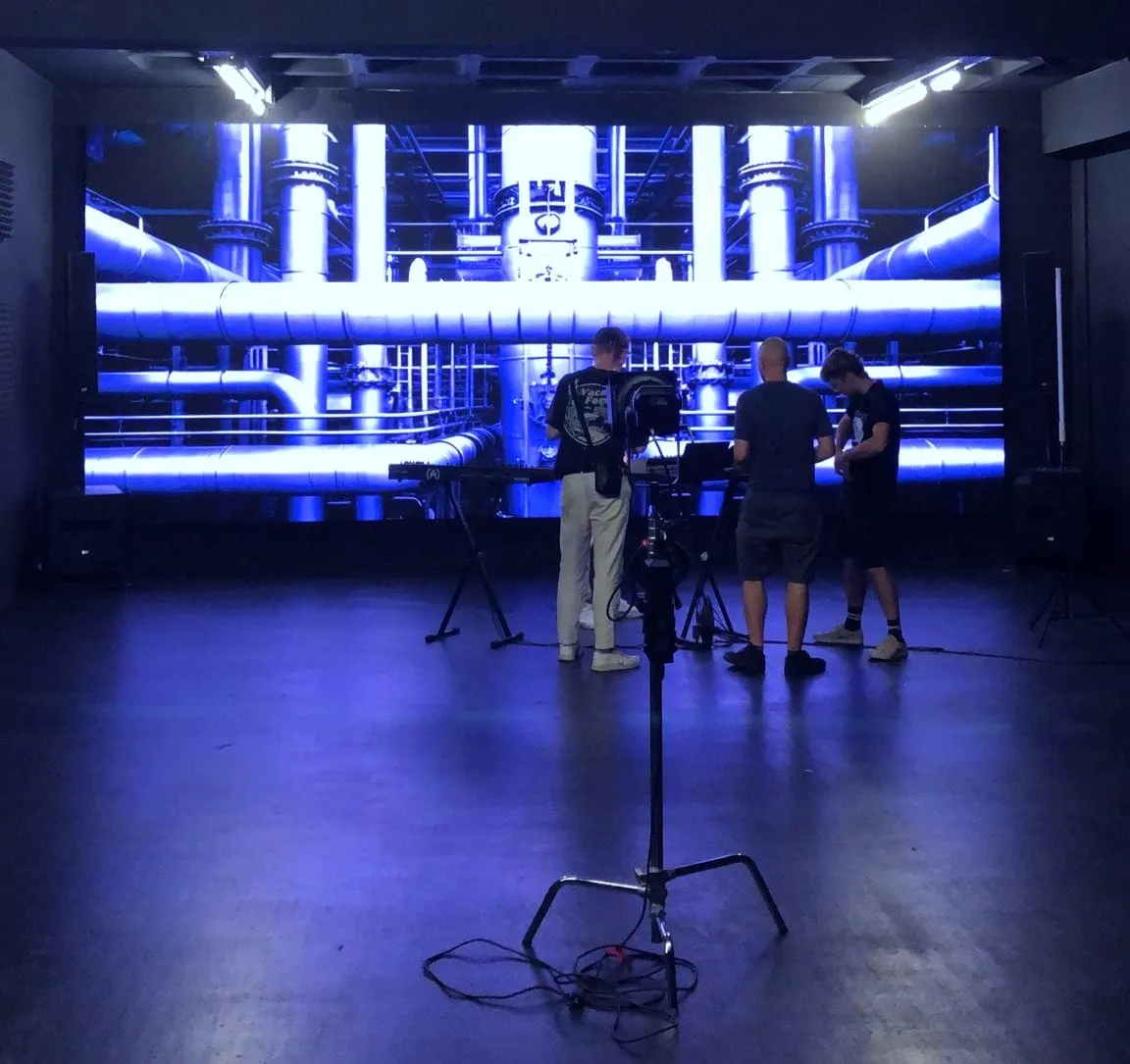
Foto- und Filmlocation mit erfahrenen Technikern und voller Ausstattung.
Mehr erfahrenSchon hier gewesen
Google-Bewertung
Kundenkritiken
„Es holt einen aus dem Alltagsstress raus und lässt Körper und Geist entspannen. Besonders die koreanische Ausstellung bietet viel Interpretationsfreiraum."
„Immer wieder ein Erlebnis! Jedes Mal ein kleiner Ausflug in eine andere Welt — egal ob einfach so oder mit Live-DJ. Digital Art vom Feinsten."
„One of the most captivating experiences I’ve had in Berlin. It felt like stepping into a living piece of audiovisual art where every beat had a visual counterpart."
Besuch
Ein Museum für digitale Kunst und eine Eventlocation der nächsten Generation — mitten in Berlin-Schöneberg, in einem markanten Beton-Solitär.